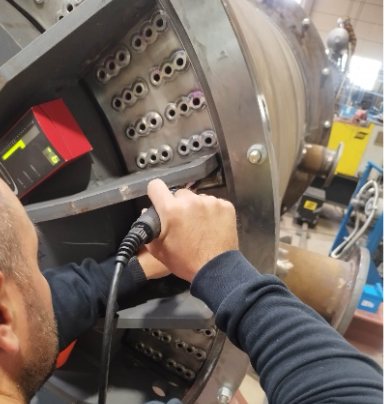
NDT is only as good as the method chosen for the job. A technician defaulting to whichever test they know best, on a material or geometry it was not designed for, gives you a report with a false sense of certainty.
Method selected for the defect, not for convenience
Our technicians select the method, or combination of methods, based on the defect type you are trying to catch, the material, the geometry and the applicable code. Where a method has known limitations for your application, we say so in the report rather than leaving it implied.
Reports written to be read by an engineer
Each report states the method, procedure, acceptance criteria, equipment and calibration status, the areas examined, annotated sketches and photographs, and clear accept or reject reasoning against the stated criteria — not a pass/fail stamp. Personnel qualification certificates are attached.
Scope of work
- Dye Penetrant Testing (PT) for surface-breaking defects
- Visual Testing (VT) to ISO 17637 with ISO 5817 acceptance levels
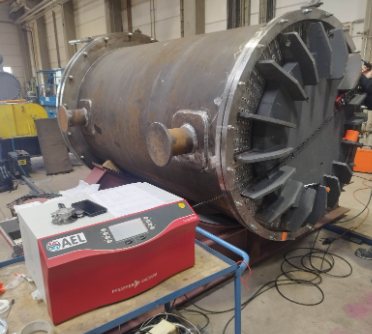
- Helium leak, pressure and seat leakage testing
Request this service
Tell us the item, the applicable standard and the location. We confirm scope, inspector and price within one working day.
Standards referenced
- NDT personnel qualificationASNT NDT Level II
- NDT of weldsISO 17635 / ISO 17637
- Pressure equipment testingASME Section V
- Weld acceptance levelsISO 5817
Direct line
Coverage
Berlin / Brandenburg, nationwide Germany, EU and worldwide on request.
NDT & Asset Integrity
Finding what a visual check cannot — in welds, vessels, tanks and piping.
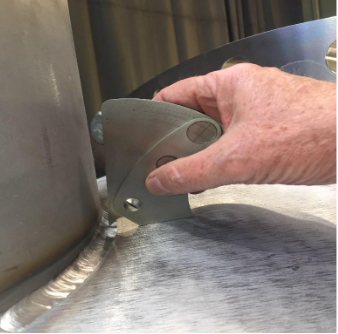
Welding Inspection
Visual and procedural weld inspection, WPS and PQR review and welder qualification oversight, to ISO 3834…
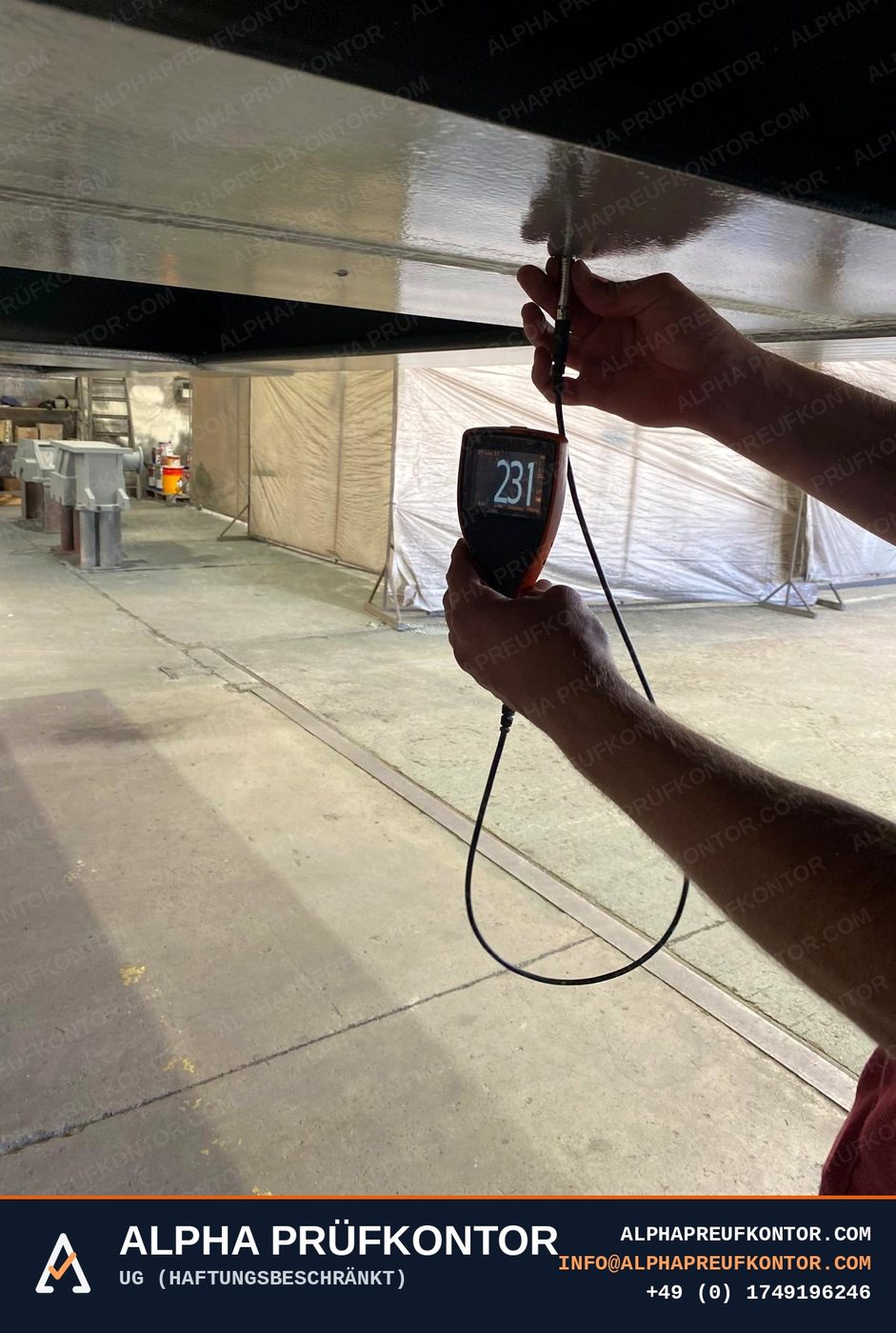
Corrosion & Erosion Assessment
Wall thickness mapping, coating condition assessment and remaining-life input for in-service equipment.…
API Tank Inspection
Above-ground storage tank inspection aligned to API 653 principles — shell, floor, roof and appurtenance …
Get a scoped quote within one working day.
Reports signed by the inspector who was on site, issued in German or English within 48 hours.